What is Philosophy? A 5-Minute Guide to Life’s Big Questions

Philosophy is not an intimidating academic exercise; it is a practical toolkit for navigating reality, building resilience, and determining how to live a good life. By understanding its five core pillars—Metaphysics, Epistemology, Ethics, Stoicism, and Existentialism—you can build a rational framework to answer life’s biggest questions.
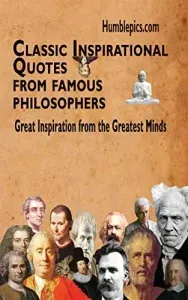
While curating the Classic Inspirational Quotes from Famous Philosophers compendium, I realized that the greatest minds in history weren’t just writing dusty books; they were actively trying to solve the exact same human problems we face today. I have distilled my research into this five-minute guide, breaking down the five fundamental pillars of philosophy and the masters who defined them, to help you live a more examined life.
The 5 Pillars of Philosophy: A Guide to the Big Questions
1. Metaphysics: What is Real?
The Master: Plato
“We can easily forgive a child who is afraid of the dark; the real tragedy of life is when men are afraid of the light.” – Plato
This branch asks the biggest question: What is the nature of reality? Plato, in his “Allegory of the Cave,” argued that the world we see is just “shadows on a wall.” He believed that our job is to break free from our illusions (the cave) and seek the “light” of a deeper, truer reality (the world of “Forms,” or pure ideas). Metaphysics is the search for that light.
2. Epistemology: How Do We Know?
The Master: René Descartes
“I think, therefore I am.” (Cogito, ergo sum)
This branch is about the nature of knowledge. How can we be sure that what we know is true? Descartes began a famous experiment: he decided to doubt everything—his senses, his memories, even that the world around him was real. He was left with only one, unshakeable truth: the very act of doubting proved that he, a “thinking thing,” must exist. Epistemology is the process of building a foundation for what we can truly “know.”
3. Ethics: How Should We Live?
The Master: Aristotle
“We are what we repeatedly do. Excellence, then, is not an act, but a habit.” – Aristotle
This is the most practical branch. Ethics is the study of how to live a “good life.” For Aristotle, the answer wasn’t in a single “ah-ha” moment, but in practice. He argued that virtues like courage, honesty, and generosity are habits we must build. A “good person” is simply a person who practices good habits, and a “good life” is the result of that daily practice.
4. Stoicism: How Should We Endure?
The Master: Marcus Aurelius
“You have power over your mind – not outside events. Realize this, and you will find strength.”
This school of philosophy is a guide to resilience. The Stoics (like the Roman Emperor Marcus Aurelius) taught that the world is full of events we cannot control. Our suffering, they argued, doesn’t come from those events, but from our judgment of them. The secret to peace is to focus 100% of our energy on the one thing we can control: our own mind and our own response.
5. Existentialism: Why Are We Here?
The Master: Friedrich Nietzsche
“He who has a why to live for can bear almost any how.” – Nietzsche
This is the philosophy that confronts the “big void.” In a universe without a built-in purpose, why are we here? The Existentialists, like Nietzsche, argued that this freedom from purpose is not a curse, but a gift. It means we are free to create our own purpose. Your “why” is not something you find; it’s something you build.
Philosophy isn’t about having all the answers. It’s about learning to ask the right questions. It’s a practical set of tools for understanding reality, building good habits, finding strength, and creating your own meaning.
More Classic Inspirational Quotes from Famous Philosophers
To further explore these five pillars and begin building your own personal philosophy, here are additional highlights extracted directly from our complete volume.
Quotes on Reality and Knowledge
“The unexamined life is not worth living.” – Socrates
“I cannot teach anybody anything. I can only make them think.” – Socrates
“Wonder is the feeling of a philosopher, and philosophy begins in wonder.” – Plato
Quotes on Ethics and How to Live
“Happiness depends upon ourselves.” – Aristotle
“We suffer more often in imagination than in reality.” – Seneca
“Man is condemned to be free; because once thrown into the world, he is responsible for everything he does.” – Jean-Paul Sartre
If you enjoyed this introduction to life’s biggest questions, it was inspired by the full collection in our book, Classic Inspirational Quotes from Famous Philosophers. You can find insights from dozens of the world’s greatest thinkers in our complete volume, available now in our digital collection.
Explore our complete digital bookstore collection →
Philosophy offers different tools for different struggles. If you are seeking resilience against hardship, you should start with What is Stoicism?. However, if you are grappling with the darker aspects of existence, the insights in Schopenhauer on Suffering provide a necessary, albeit stark, perspective.